Our work focuses on the intersection of health, performance, and the modern workplace.
Here, we provide insight into the topics we are currently addressing with particular focus.
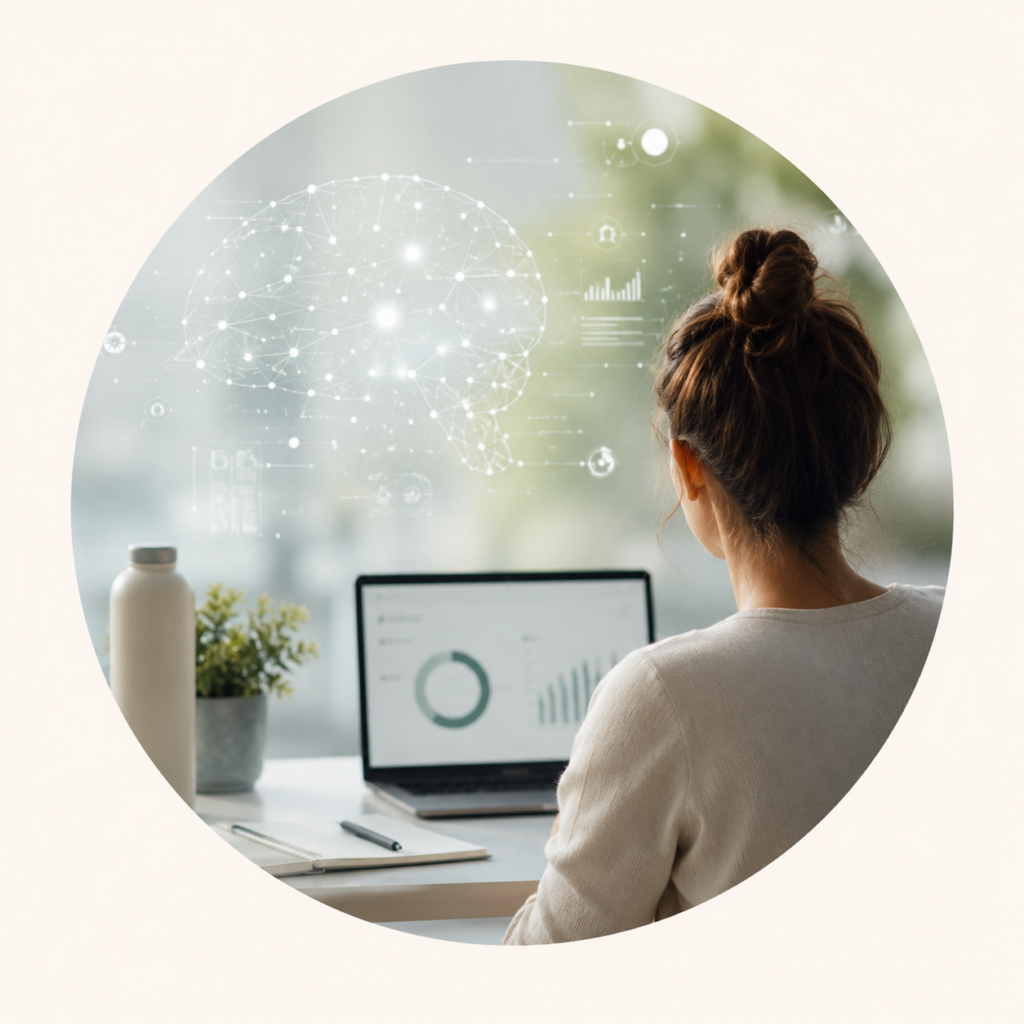
AI & Performance
Artificial intelligence isn't just changing processes and tools. It's also changing the way people work: making it faster, more information-intensive, and more complex.
We view AI as one of the most exciting developments of our time. It is opening up a wide range of new possibilities with the potential to make work better and smarter. Routine tasks can be simplified, processes can be accelerated, and creative work can be supported.
At the same time, we are convinced that the full potential of AI can only be realized in the long term if the people working with this technology remain physically and mentally fit.
That is why we focus primarily on the human side of this development. After all, if AI is to boost performance, it is not enough to talk only about technology. We also need to consider how this new pace affects focus, energy, stress management, and healthy performance.
In our presentations, lectures, and workshops, we address the following questions, among others:
- How is AI changing the demands placed on attention, focus, and mental capacity?
- Why can relief and additional pressure arise at the same time?
- What impact does an increasing work pace have on stress, the nervous system, and recovery?
- What role do sleep, exercise, nutrition, and rest breaks play in cognitive performance?
- How can people stay healthy, clear-headed, and capable of taking action in an AI-driven work environment?
References:
- Keynote bei swat.io (06/2027, auf Englisch): KI x Wellbeing – Why your body and mind will become your greatest asset in the age of AI
- Keynote bei E. Breuninger GmbH & Co. (07/2026, auf Deutsch): AI is changing the rules of the game: your body determines your focus, energy and performance

Nutrients & Performance
Performance doesn’t just start in the mind. Focus, energy and recovery are also based on physiological factors that are often overlooked in a work context.
Nutrients play a key role in vital processes such as energy metabolism, the nervous system, the ability to concentrate and physical recovery. How well an individual’s nutritional needs are met depends, amongst other things, on diet, sleep, exercise, stress, daily routines and the stage of life they are at.
Blood test results provide further guidance and help you take a more nuanced view of your own healthcare. Diet, lifestyle and sensible next steps can be coordinated more effectively and integrated realistically into your daily life.
This topic adds an important physical perspective to existing measures relating to resilience, stress management and mental health. Sustainable performance is achieved when psychological and physiological factors are considered together.
In our presentations, workshops and 1:1 coaching sessions, we address the following questions, amongst others:
- How does nutrient intake affect energy levels, concentration and recovery?
- What role do diet, sleep, exercise and stress play in maintaining physical health?
- Which blood test results can provide further guidance on preventive measures?
- How can insights be prioritised effectively and integrated into a demanding working day?
- How can companies incorporate physiological principles more effectively into their health programmes?
References:
- more to come..
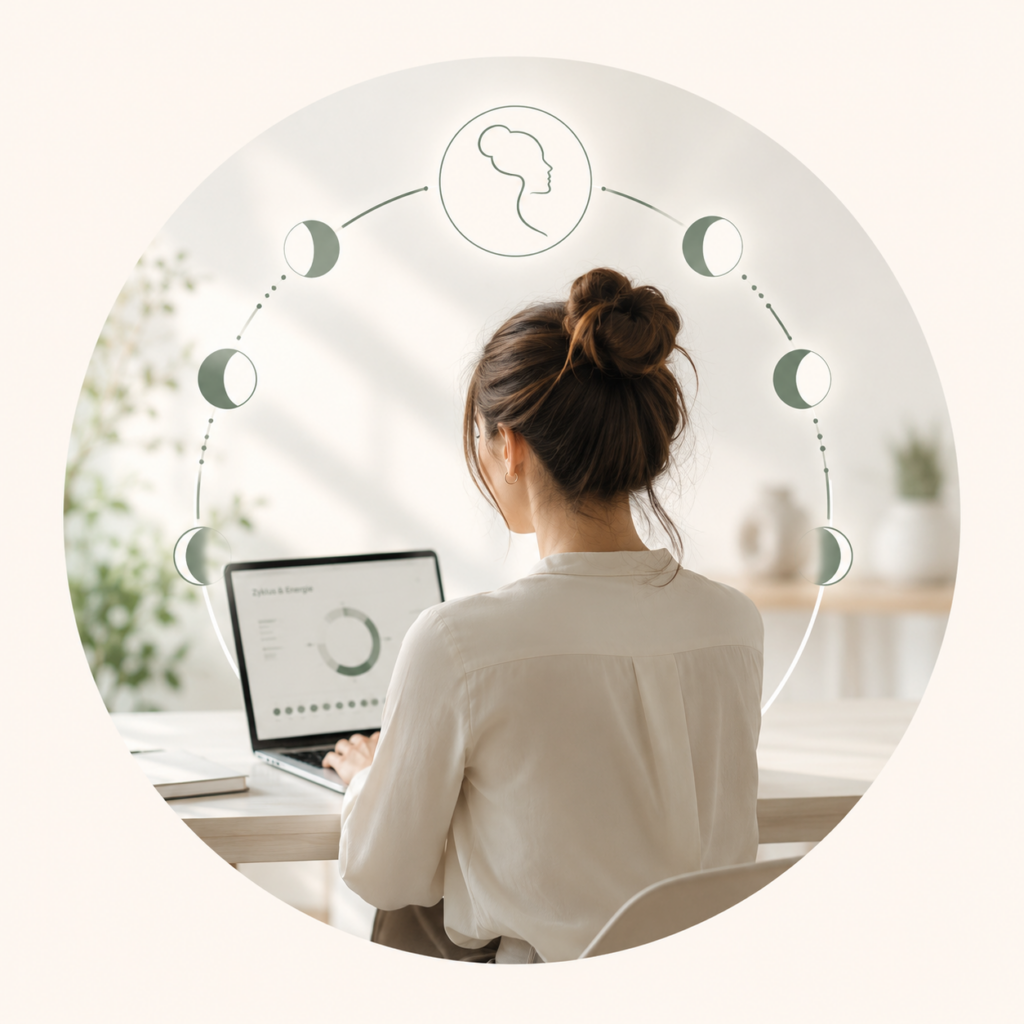
Women’s Health & Performance
Our day-to-day working lives are geared towards consistent performance. However, the female body changes throughout the menstrual cycle and across different hormonal stages of life. Although women make up around half of the working population, hormonal factors have so far been largely overlooked in the workplace. From the menstrual cycle to the menopause, these factors can influence energy levels, concentration, sleep, stress management and recovery.
A sound understanding helps us to make better sense of these changes, recognise recurring patterns and deal with them more effectively in our day-to-day work. Understanding these cycles enhances self-management, health and sustainable performance.
This relevance continues into the menopause. There are more than eleven million women aged between 40 and 59 living in Germany, around 80 per cent of whom are in employment. Many have several years’ experience, hold managerial roles or occupy key positions.
Women’s health therefore affects the entire organisation. Providing information fosters a sense of security, facilitates open discussions and helps companies to combine health, career development and the retention of valuable experience.
In our presentations, lectures, and workshops, we address the following questions, among others:
- How do the menstrual cycle and the menopause affect energy levels, concentration, sleep and stress management?
- How can women better come to terms with physical changes and manage their resources more consciously in their day-to-day working lives?
- What role do diet, exercise, nutrient intake and blood test results play during different hormonal phases of life?
- How can managers, HR and teams address this issue professionally and create the right conditions?
References:
- more to come..
Health disclaimer
Our services are designed to promote health, prevention and the dissemination of knowledge. They do not constitute medical diagnosis, therapy or treatment, and are not a substitute for medical advice, examination or treatment. If you have any symptoms, existing medical conditions or abnormal laboratory results, you should seek medical advice.